How to Choose the Right Insomnia Counselling Therapist in Singapore: A Comprehensive Guide
seo admin
22/06/2026
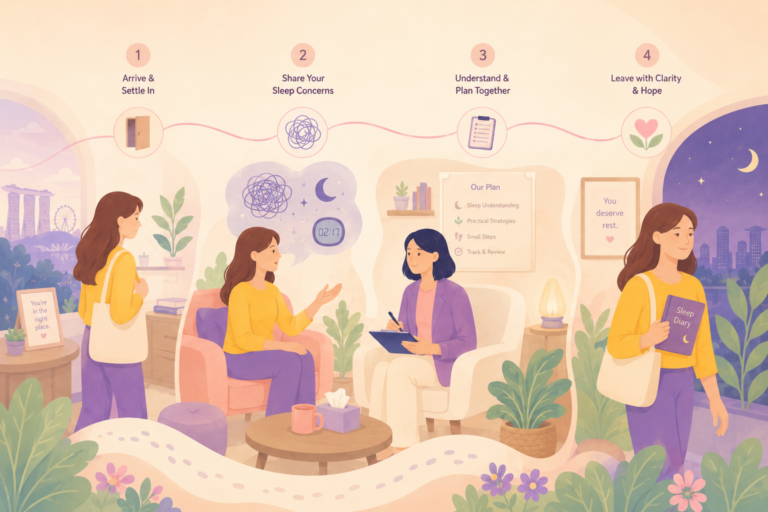
Does the silent negotiation with your alarm clock feel like a nightly battle you are destined to lose? For many in Singapore, the glow of the screen has replaced the peace of slumber, and the quiet hum of the air-conditioner does little to soothe a racing mind. If you have tried every trick in the book, from warm milk to counting endless flocks of sheep, you know that chronic sleeplessness is more than just feeling tired. It is a deep-seated frustration that affects your mood, productivity, and overall well-being. But achieving restful sleep is not about finding a magic cure. It is about finding the right, personalised and professional support. This article explores a comprehensive approach to tackling insomnia, moving beyond generic advice to what truly makes a difference. More Than Just a Bad Night’s Sleep: The Importance of Diagnosis Before exploring the psychological roots of sleeplessness, it is important to address the physical. Persistent insomnia can sometimes be a signal from your body that something else is amiss. Conditions like sleep apnoea, thyroid imbalances, chronic pain, or even certain medication side effects can be the real culprits behind your sleepless nights. This is why it may be helpful to consult your General Practitioner (GP), especially if your sleep difficulties are persistent, severe, or linked with physical symptoms. A medical check-up can help rule out or identify any underlying health issues. We see our role as a collaborative partner in your wellness journey. Once medical factors are considered, we can then focus more clearly on the emotional and psychological patterns that may be contributing to your insomnia. Making Sleep a Priority: Seeking the Right Support Concerns about cost or uncertainty about where to begin can sometimes delay people from seeking help for their well-being. For some individuals, speaking with a doctor may be a useful first step, especially when insomnia appears alongside anxiety, depression, chronic stress, or other health concerns. Your doctor can help assess whether medical support, counselling, or another form of care may be appropriate. At Caper Spring, our focus is on providing emotionally grounded counselling and psychotherapy support in Singapore. Through professional insomnia counselling in Singapore, we help clients understand the emotional patterns, stress responses, and deeper concerns that may be affecting their ability to rest. Instead of treating sleep as an isolated issue, we look at how your emotions, nervous system, and daily pressures may be connected. Not a One-Size-Fits-All Solution: Emotion-Focused Therapy for Sleep Struggles You may have heard of different approaches for sleep difficulties. However, at Caper Spring, our service focus is Emotion-Focused Therapy. We recognise that every individual’s journey with sleeplessness is unique. What works for one person may not work for another, especially when deeper emotional issues are involved. That is why our approach focuses on understanding the emotional roots behind insomnia: Emotional Stress Patterns: Ongoing stress, pressure, or unresolved feelings can become more noticeable at night, making it difficult for the mind and body to settle. Trauma-Informed Awareness: Sometimes, the inability to “switch off” may be linked to past distressing experiences or a nervous system that remains on alert. Our approach supports clients in exploring these experiences in a safe and gentle way. Emotion-Focused Therapy: Unprocessed emotions, relationship stress, fear, sadness, anger, or anxiety can continue to surface when the world becomes quiet. Emotion-Focused Therapy helps you understand these emotional signals and develop a more compassionate relationship with your inner experience. Rather than only focusing on sleep behaviour, our goal is to support emotional processing that may help create deeper and more lasting change. Choosing the Right Guide: Credentials and Specialisations When you seek help, you deserve to know you are in capable hands. The effectiveness of therapy depends heavily on the therapist’s expertise, approach, and ability to create a safe therapeutic space. We believe in being clear about how we work and what clients can expect from our process. When choosing a provider for insomnia counselling in Singapore, you should feel empowered to ask about their: Experience in supporting stress, emotional distress, and sleep-related concerns. Approach to Emotion-Focused Therapy. Understanding of emotional hyperarousal and nervous system activation. Support options, including individual or couples counselling, as sleep problems can sometimes affect partners too. The right support should feel safe, respectful, and aligned with your needs, not generic or rushed. Support That Fits Your Life: Counselling That Meets You Where You Are In today’s fast-paced world, support needs to be flexible and human. Some people seek counseling because they feel overwhelmed by stress. Others may come because their body feels tired, but their mind refuses to rest. Whatever the starting point, insomnia counselling in Singapore can provide a space to slow down, reflect, and understand what may be happening beneath the surface. At Caper Spring, our work is grounded in Emotion-Focused Therapy. This means we do not only look at bedtime habits or surface-level symptoms. We help clients explore the emotional concerns, relational pressures, and internal patterns that may be keeping the nervous system activated. Through this process, clients can begin to build greater emotional clarity, self-awareness, and a more compassionate way of responding to stress. The journey back to restful nights is not a myth; it is a real possibility. It begins not with a magic pill, but with a thoughtful, professional approach that addresses you as a whole person — physically, emotionally, and psychologically. From ensuring no underlying medical conditions are missed to finding a therapeutic approach that resonates with your personal experience, the path can become clearer with the right support. If you are ready to stop fighting the night and start understanding what your sleeplessness may be signalling, seeking professional insomnia counselling in Singapore can be a powerful first step towards reclaiming your sleep and your emotional well-being.